Have you ever seen an expat trying to navigate Moscow? He stands in the middle of Tverskaya, holding a perfectly printed itinerary, his eyes filled with rational horror. He’s looking for logic. But here, logic is just a road sign no one ever noticed.
Our language isn’t a dictionary. It’s a, damn it, psychological shield. You won’t learn it from textbooks. You have to live it to understand how Russians activate ‘God Mode’ at the most inconvenient moment.
💡 Untranslatable Russian phrases: how does ‘Nichego Strashnogo’ help you survive in Moscow? The answer is simple: It’s our psychological shield and guide to action.
Our blog https://reua.ru is dedicated to giving you this secret code. We dissect not grammar, but character—what you truly need for real success and understanding Moscow.
Come visit. Listen closely. And stop looking for straight lines here. We speak in hints, but we live honestly. That is Moscow.
🤯 The Secret Survival Code: A Punch to the Solar Plexus of Panic
The most powerful, the most destructive, and the most saving phrase: “Nichego Strashnogo” (Nothing Scary / It’s Not a Big Deal).
When something goes wrong for a Westerner (a traffic jam, a lost transit pass), they turn on the siren. It’s a disaster, a schedule failure, a reason to write an angry post. Control is lost!
A Russian in the exact same situation—when everything is collapsing, from evening plans to the stock market—tosses out, like a cigarette butt: “Nichego Strashnogo.”
What the hell does it mean?
- It’s not comfort. It’s an order. An order for your inner panic button to shut up. We don’t pretend everything is fine. We simply declare: Threat level—below the floor.
- It’s a drama cancellation. We look at the problem and say: “Well? Again. Reboot.” We don’t waste resources on emotional noise.
- It’s our default ‘Plan B.’ The phrase “Nichego Strashnogo” is the starting pistol. It doesn’t solve the problem, but it instantly gives you focus. Instead of “Oh, no!” you think: “Okay, now what?”
It’s our way of telling the Universe: “You can’t surprise me. Bring it on.” This is precisely how Moscow doesn’t just survive but thrives: through the instant, bold rejection of panic.
🚀 ‘Pognáli, A Tam Posmotrim’: The Guide to Spontaneity
Here’s my favorite contrast with the Western world. There, everything is scheduled for a year: budget, KPI, timeline. It’s “strategic analysis first, then—action.”
Here, everything is simpler, faster, and, strangely enough, often more effective. Because our most reliable plan sounds like this: “Pognáli, a tam posmotrim” (Let’s go, and we’ll see then / Let’s roll, figure it out later).
This isn’t irresponsibility; it’s high-speed decision-making.
If you sit around waiting for the perfect moment, the perfect plan, and the perfect weather—you’ll miss all the fun stuff. The Moscow rhythm doesn’t allow time for excessive deliberation. You grab the opportunity before it runs away.
“Pognáli, a tam posmotrim” is our startup philosophy. We test the hypothesis right in the heat of the battle, without tedious meetings and presentations. We trust not the plan, but the ability to improvise.
And if someone asks, why so fast and without guarantees? Why are we constantly balancing on the edge? The answer to that question is perfect, concise, and completely untranslatable: “A khren yego znayet.” (The hell if I know.)
Yes, exactly. Khren (of course, in this context, a crude but accurate term for the male reproductive organ) is our way of expressing an absolute lack of control and simultaneous acceptance of that fact.
It’s not just “I don’t know.” It’s the active embrace of chaos. It means: “Our rational tools are useless here, and you must accept that as fact. That’s just how this game is set up.”
“A khren yego znayet” is our permission for illogical behavior, our agreement that a part of life will always be shrouded in fog. And in that fog, you know, is where all the coolest stuff is often born.
🎬 Shooting the Final Scene: Our Language Is Our Script
These phrases aren’t folklore for tourists. They are the rules of the game. They shape us, forcing us to be tougher, faster, more ironic. They teach you not to cling to dead plans, but to live in the moment, ready for any twist.
The one who understands the meaning of “Nichego Strashnogo” can buy a business in Moscow. The one who masters “Pognáli, a tam posmotrim” can scale it.
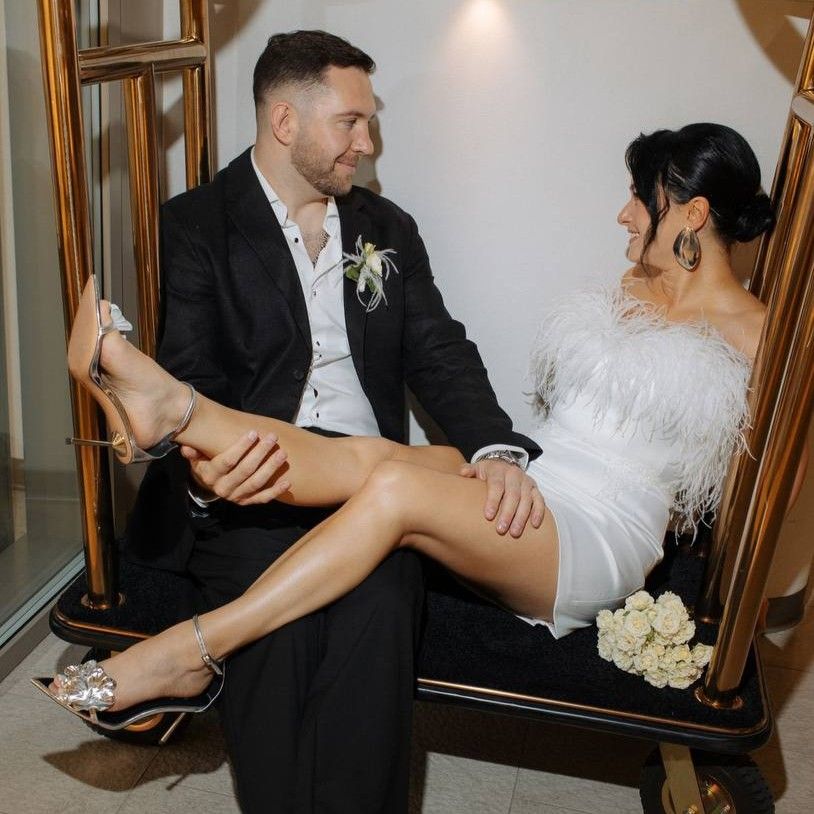
Why a Moscow Wedding Isn’t a Fairytale: The Code of Survival and Three Toasts That Speak the Truth

How Moscow Women Look Even When “Just Popping Out for Bread”
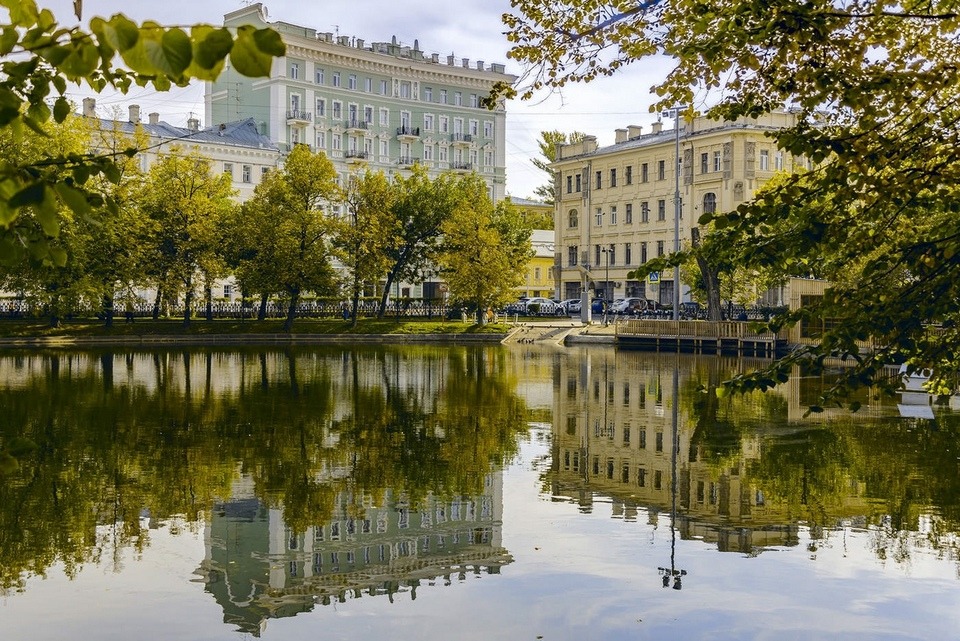
A Solitary Life in the Metropolis

Women in the Office — Quiet Drama in Heels
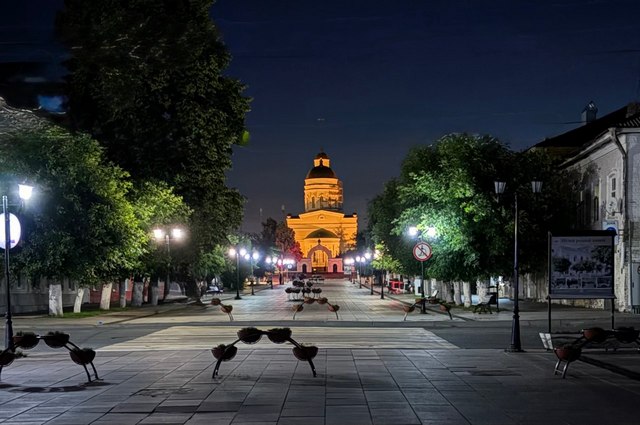
A Small Town on the Volga River
About two or three times a year, I leave noisy Moscow and travel to my…